

How to make a writing career work in a collapsing media landscape
I’m giving a lecture at the London College of Fashion on June 1st.

Next Monday I’m giving a lecture on what it means to be a writer and journalist in a fast-changing media landscape that demands more and forgives less. It takes place at LCF’s Stratford campus lecture hall from 5-6:30pm. It’s mainly for students, but there are a few public tickets available. Tickets are free and can be booked here.
This lecture isn’t going to be about my journey, because what I did wouldn’t work anymore. The industry has changed too much. What I want to talk about is the skills you need to write meaningful stories, but also how to build a career out of it: how to get paid properly, how to pitch and position your work, and how to think strategically about every tool at your disposal. My goal is to help you achieve what you once dreamed of as a kid, but with the mindset of a battle-tested grown-up.
I’ve been doing this a while, and in that time I’ve tried lots of different things. I worked two years in-house at The Face, two years part-time at a daily newspaper, a year as Deputy Editor of The Basement magazine, and two years as Contributing Editor at Vogue Business. Along the way, I’ve pitched constantly, and had pieces published in GQ, Wired, i-D, Elle, The Independent, Vice and more. I’ve interviewed countless people, commissioned and edited others, and written hundreds of thousands - if not millions - of words. I’ve also written scripts for original YouTube series, worked at Dazed’s white-label studio, led social strategy for a major high-street brand, consulted for numerous luxury labels and pitched brands to sponsor panels and workshops. Outside of that, I’ve hosted a gallery pop-up at the ICA, launched a Substack, grown a readership and learnt how to share my work effectively on social media. Some of it I’ve loved. Some of it I’ve done out of necessity. Some of it I’ve sworn never to do again.
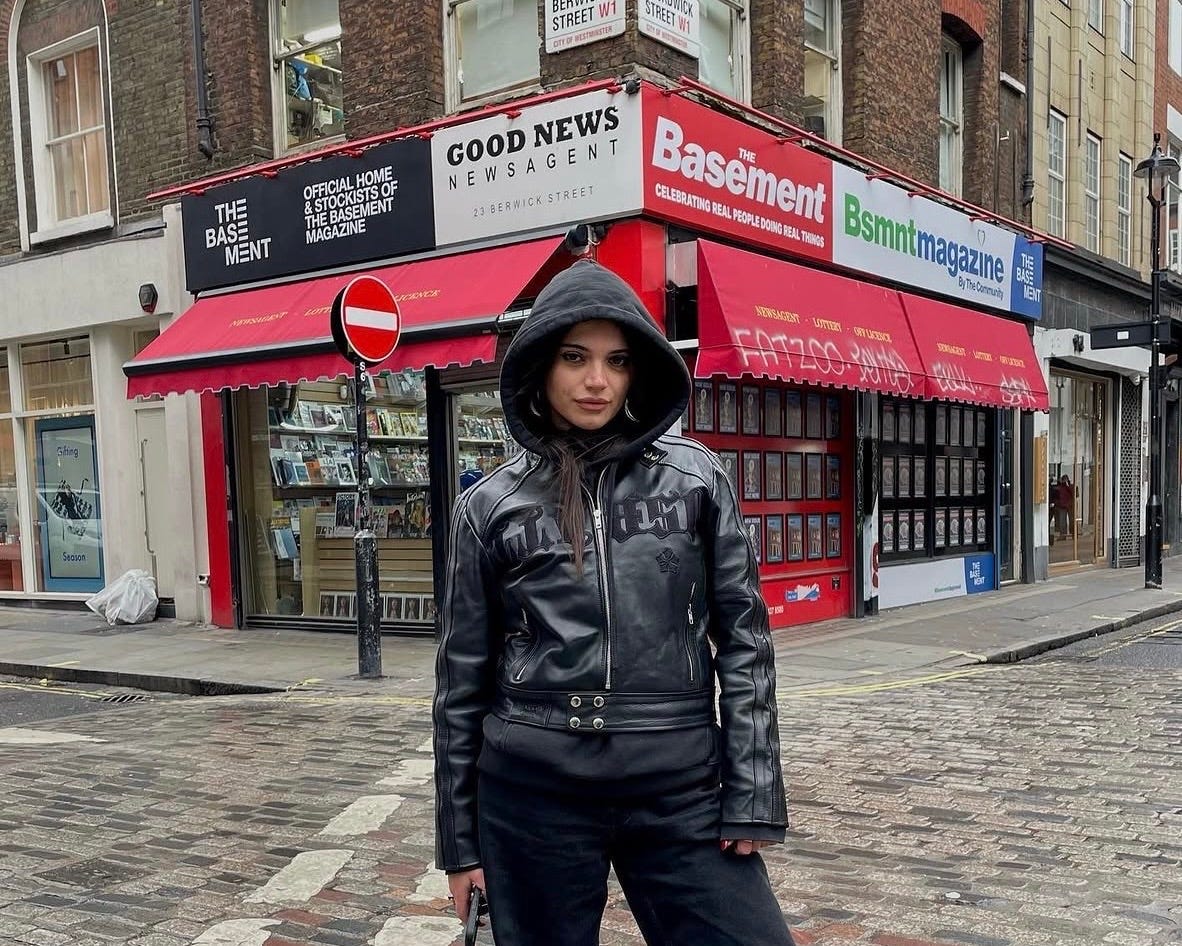
One thing about me is that I’ve always found ways to maximise the versatility and value of my skillset. I’ve spent years working on becoming a stronger communicator and a sharper distiller of culture, while also learning how to translate that expertise across different industries. I can proudly say I’ve built a viable career in journalism, even if some of the work I’ve done sits outside what that traditional job description might look like.
Ideally, paid subscribers would allow me to focus exclusively on stories that matter to me, but I’m not there yet. Nor do I want to rely solely on full-time media salaries or freelance rates, while supplementing it by selling free gifting on Vinted. I left working for a magazine full-time in 2021 on £28k a year, and the most I’ve ever been paid for an editorial article that takes weeks to report and file is £800. That was an anomaly - the average is £350. It feels shortsighted to narrow your focus when you have transferable skills that other sectors would pay well for, while also getting an insider’s view of the industry you’re reporting on. Everything I’ve done has deepened my perspective, which has in turn strengthened my writing. Look at Emily Sundberg: she’s worked as a creative strategist at Meta, consulted for Shopify, built social strategy for the direct-to-consumer cookware company Great Jones, written viral pieces for New York magazine, directed her own film, and now runs one of the most influential independent media operations out there.
For a long time, I thought it was irresponsible to encourage people to enter the media world. I’ve seen the redundancies firsthand. Mourned magazines I love shutting down. Had endless conversations with friends about how constricted the industry feels. Watched as others pivot entirely from editorial to commercial. I couldn’t, in good conscience, tell someone they should try.
Now it feels more irresponsible not to.
We desperately need real people reporting on what matters. Telling people to give up on the impulse to write about the world and make sense of it - at a moment dominated by billionaire-owned media and AI generated drivel - is an invitation to accept whatever we’re fed as we scroll ourselves into oblivion. Fuck that. I want to share some of my own insights in the hope that they encourage the next generation of writers, and keep alive work that’s still worth reading in 10 years time.
Right now, the traditional route into journalism feels like a path only people with privilege and support can follow, and in many ways, that’s true. But by being honest about how I’ve made it work, I hope that more voices who feel the space is shrinking will be inclined to open it up anyway. And no, I don’t think the answer is just posting four short-form videos a day. You have to think strategically. You have to use every resource available to you. You have to avoid burning yourself out doing things that won’t pay off long term. Take non-linear paths. Don’t turn your nose up at opportunities because they don’t look how you imagined they would. Rachel Sennott started out as a Twitter comedian, and is currently developing the second season of her HBO show. Jordan Firstman broke out posting impressions on Instagram, and recently landed a $17 million A24 distribution deal following his Cannes Film Festival debut. If you know how to channel your talent through the tools available to you, anything is possible.
I’ll be speaking for 50 minutes, followed by 40 minutes of Q&A. Hope to see some of you there.
Love this and love you, just wondering if you could talk about your studies to the readers online ? and in what manner you think they helped or did not help maybe ? maybe you did not study just wondering
OMG, Amy! So happy for you! Long-time fan of your work. I wish I could go, but I’m based in Brazil. Your words are always so inspiring to me.